If you've ever walked into your home and immediately noticed the unmistakable smell of a dirty litter box, you're not alone. Even the cleanest cat owners deal with litter box odors from time to time. The good news is that you don't have to live with unpleasant smells—or rely on harsh chemicals—to keep your home fresh.
In this guide, I'll share the best methods I've found for how to get rid of cat litter smell, from choosing the right litter and cleaning routine to natural odor-fighting solutions that are safe for both cats and humans. I've also included my own original photos of the litter texture and product packaging throughout this guide to provide readers with authentic, hands-on insights.
Whether you're caring for one cat or a multi-cat household, these practical tips will help eliminate odors at the source instead of simply covering them up.
Quick Answer: How to Get Rid of Cat Litter Smell
If you're looking for the fastest solution, here's what works best:
Scoop waste at least twice daily.
Completely replace litter every 2–4 weeks.
Wash the litter box with mild soap and warm water.
Use high-quality clumping litter.
Place the litter box in a well-ventilated area.
Sprinkle a small amount of baking soda beneath fresh litter.
Replace scratched plastic litter boxes every 1–2 years.
Feed your cat a high-quality, highly digestible diet.
These simple habits eliminate odors instead of masking them.
Why Does Cat Litter Smell So Bad?
Understanding the cause makes it easier to solve the problem.
Cat litter odor usually comes from:
Urine breaking down into ammonia
Bacteria growing in dirty litter
Moisture trapped in the litter box
Poor-quality litter that doesn't absorb well
Infrequent scooping
Diets that produce particularly strong-smelling waste
Old litter boxes that absorb odors over time
The goal isn't to cover the smell—it's to remove what's causing it.
Get Rid of Cat Litter Smell
1. Starting with the litter
Let's start with the litter itself. Tempting as it may seem, don't use the artificially scented litter. Your cat will hate it and start eliminating everywhere but the litter box. Remember, Kitty's nose is 14x more sensitive than yours.
Not all litter performs equally.
Look for litter that offers:
Strong clumping ability
High absorbency
Low dust
Odor-locking technology
Activated charcoal or carbon (optional)
Clay based litter often helps, but should only be used with adult cats. Kittens, like human babies, have a tendency to put things in their mouths that they shouldn't and eating clay can cause digestion problems in little kittens.
Quality litter traps moisture quickly, preventing ammonia from spreading through your home.
2. Scoop the Litter Box Twice Every Day
The single best answer to how to get rid of cat litter smell is consistent scooping.
Urine and feces begin producing odor within hours.
A good schedule is:
Morning scoop
Evening scoop
For homes with multiple cats, you may need to scoop three times daily.
Why it works
Removing waste before bacteria multiply dramatically reduces odor buildup.
3. Wash the Litter Box Regularly
Many owners replace the litter but forget to clean the box itself.
A dirty litter box develops odor-causing bacteria that remain even after fresh litter is added.
Cleaning routine
Weekly for non-clumping litter:
Empty the litter.
Wash with warm water.
Use mild unscented dish soap.
Rinse thoroughly.
Dry completely before refilling.
For clumping litter, a deep cleaning every 2–4 weeks is usually enough.
Avoid bleach or ammonia-based cleaners since these can create harmful fumes or discourage your cat from using the box.
4. Replace All the Litter Regularly
Adding fresh litter on top of old litter doesn't solve odor problems.
Instead:
Remove all litter.
Wash the box.
Dry it completely.
Add fresh litter.
Recommended replacement schedule
One cat: every 2–4 weeks
Two cats: every 1–2 weeks
Three or more cats: weekly
5. Sprinkle Baking Soda Under the Litter
One of the easiest natural odor solutions is ordinary baking soda.
Simply sprinkle a thin layer underneath fresh litter before filling the box.
Benefits include:
Neutralizes odors
Safe when used appropriately
Inexpensive
Doesn't overpower sensitive feline noses
Avoid using excessive amounts.
6. Improve Air Circulation
Poor ventilation traps odors.
Instead, place the litter box:
Near natural airflow
In a well-ventilated room
Away from damp areas
Avoid:
Small closets
Closed cabinets
Tiny bathrooms without ventilation
Fresh airflow prevents ammonia from lingering.
7. Use the Right Amount of Litter
Too little litter allows urine to reach the bottom.
Too much litter wastes product and reduces clumping efficiency.
Most manufacturers recommend:
2–3 inches of litter
This depth provides excellent odor control while allowing cats to dig naturally.
8. Replace Old Plastic Litter Boxes
Plastic absorbs odors over time.
After months or years, tiny scratches trap bacteria that no amount of cleaning can remove.
Replace plastic litter boxes every:
12–24 months
If odor persists despite regular cleaning, the box itself may be the problem.
9. Feed a High-Quality Diet
The wise thing to do isn't just cleaning the litter box—it's improving what goes into your cat.
Highly digestible foods produce:
Smaller stools
Less odor
Better gut health
Reduced waste
Poor-quality diets often create stronger-smelling feces due to lower digestibility.
Hydration also plays a role, so encourage water intake with wet food or fresh water sources.
10. Add an Extra Litter Box
Make sure there's enough litter boxes for all of your felines and scoop twice a day. Once a week, change the entire litter and clean the box with hot water and mild soap. A vinegar and hot water solution also helps as does a bit of baking soda sprinkled on the bottom of the box.
It may be tempting to put the box in a storage room or closet where it seems out of the way. Do not do this. That will only cause the smell to build up. Go for a spot that's well ventilated yet quiet and private. Your own bathroom might work if you have a ventilation fan you can turn on every once in a while.
A room with at least one window is best. Once you've made up your mind, keep it there. A covered box may make Kitty feel like she's trapped in a Port A Potty.
Did I say box? I meant boxes.
It's best to have at least one box for each cat and to have at least one on every floor of your house. they also have to be fairly large so Kitty will feel comfortable moving around and trying to bury her leavings.
A common rule is:
Number of cats + 1 litter boxes
For example:
One cat = two litter boxes
Two cats = three litter boxes
Less crowding means cleaner litter and fewer odors.
The box should be twice as long as an adult cat and wide as the cat is long. A kitten can do with an inch or so of the litter but an adult cat needs two or three inches. Don't use plastic liners. They snag on Kitty's claws and urine seeps in, defeating the purpose.
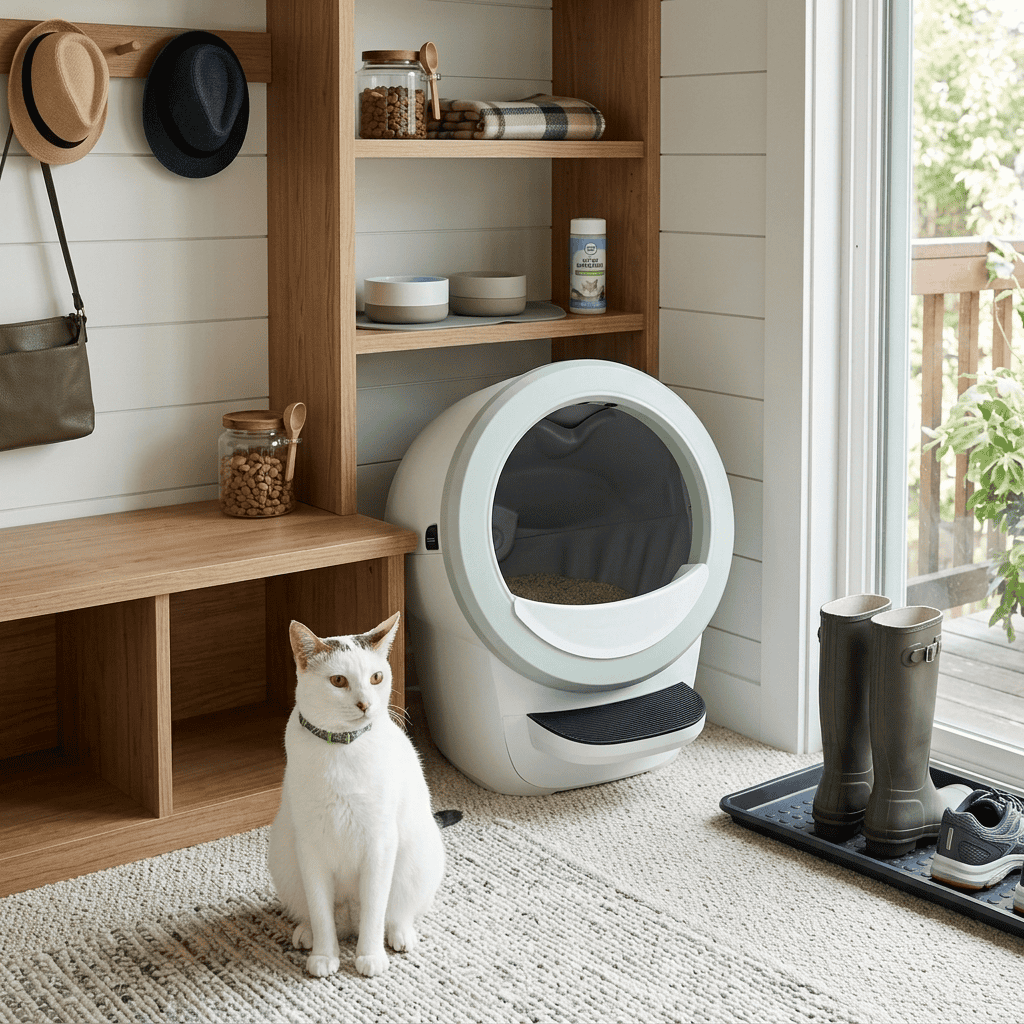
Are self cleaning automatic litter boxes worth it? They're a bit on the small side and some cats are a bit skittish about using something with moving parts. But other than this they have proven to be very helpful in a cat parents life.
11. Skip Strong Air Fresheners
Many people try masking litter odors with scented sprays.
Unfortunately:
Cats have highly sensitive noses.
Heavy fragrances may discourage litter box use.
Air fresheners don't remove the source.
Instead, eliminate odors before trying to freshen the room.
12. Try Natural Odor Absorbers
Natural odor control options include:
Baking soda
Activated charcoal
Fresh airflow
Regular cleaning
Open windows (when safe)
Air purifiers with HEPA and activated carbon filters
These methods remove odor instead of covering it up.
13. Clean Around the Litter Box
Sometimes the smell isn't coming from the litter itself.
Check for:
Tracked litter
Urine splashes
Missed accidents
Dust buildup
Damp mats
Wash litter mats weekly.
Vacuum surrounding areas regularly.
14. Watch for Medical Problems
If your cat's waste suddenly becomes unusually strong-smelling, it may indicate an underlying issue.
Possible causes include:
Urinary tract infections
Kidney disease
Digestive disorders
Dehydration
Diabetes
If the odor changes suddenly or your cat shows signs of illness, consult your veterinarian.
15. Establish a Consistent Cleaning Routine
Consistency is the secret to long-term odor control.
A simple schedule works well:
Daily
Scoop twice
Remove tracked litter
Check litter depth
Weekly
Wipe the box exterior
Wash litter mat
Vacuum surrounding floor
Every 2–4 Weeks
Replace all litter
Wash litter box
Inspect for scratches
Yearly
Replace old litter box if needed
Tools to get the job done
Whether your scoop is a solid metal spoon or slotted plastic, it must be cleaned at least as often as the box, more if needed. Do not shake the scoop while using it. The litter that gets shaken off is ineffective at absorbing odor and should just be disposed of.
Place a textured mat underneath or near the box so kitty won't track litter everywhere. If that happens anyway, vacuum regularly. If the sound of the vacuum scares Kitty, invest in a Roomba. Not only is it not loud enough to disturb Kitty, but she might like having a new riding toy.
Natural Ways to Get Rid of Cat Litter Smell
If you prefer chemical-free solutions, these are among the safest and most effective options:
Baking soda
Activated charcoal
High-quality clumping litter
Proper ventilation
Regular scooping
Deep cleaning the litter box
Feeding a highly digestible diet
Keeping the surrounding area clean
Natural methods often solve the root cause rather than masking odors.
Common Mistakes That Make Litter Smell Worse
Avoid these common errors:
Waiting too long to scoop
Mixing fresh litter with dirty litter
Overusing scented deodorizers
Forgetting to wash the litter box
Using too little litter
Keeping the box in a poorly ventilated area
Using one litter box for multiple cats
What is Kitty eating?
Let's get right at the very beginning of the matter. Kitty's diet may be what's affecting litter box odor. Once more, ignore the cartoons. Adult cats don't need milk. It just gives them the runs. Give your cat high quality, easily digestible food.
Keep in mind that cats are obligate carnivores. Their diet should be mostly if not entirely meat based. Fillers like grains and starches won't do a thing for them. They'll just stink up the box.
If Kitty will eat dry food, go with that as long as it's high in protein and low in carbohydrates. Make sure Kitty is staying hydrated as well. This will dilute odors in urine.
Air purifiers
Room deodorizers and air purifiers advertise themselves as being just the thing every cat owner needs to eliminate odor control. For the most part, this can work but don't forget who the litter box is really for.
You can put an air purifier in the room but not too close to the box itself. Remember that if Kitty hates the smell of a deodorizer, you've defeated the purpose of a litter box. Just because you like the smell of “Hawaiian Breeze” doesn't mean your cat will. Good old fashioned baking soda or cornstarch can absorb odors without adding more.
Do Not Do This
OK, it's tempting to teach Kitty to use the toilet. It looks cute on those viral videos and Kitty might figure out flushing on her own if she just can't get enough of watching water swirl around in circles. It sounds like the easiest way to eliminate litter box odor.
The truth is, it's a very bad idea. This is not in line with a cat's natural instincts. It's very uncomfortable for her and once she starts getting on in years it will just get more difficult. Don't make something Kitty has to do every day be dangerous and painful.
Frequently Asked Questions
How do you get rid of cat litter smell fast?
Scoop the litter box immediately, remove waste, replace heavily soiled litter, wash the box if necessary, and improve ventilation. These steps eliminate odors at their source rather than covering them up.
Does baking soda help with litter box odor?
Yes. A small amount of baking soda placed beneath fresh litter helps neutralize odors without relying on heavy fragrances.
Why does my litter box still smell after cleaning?
Old plastic boxes can absorb odors over time. Strong-smelling diets, insufficient ventilation, leftover residue, or litter that's too shallow can also contribute to persistent odors.
How often should you completely change cat litter?
For one cat using clumping litter, replacing all litter every two to four weeks is generally sufficient. Multi-cat households usually require more frequent changes.
Are scented litters better?
Not always. Unscented, high-quality clumping litters often provide excellent odor control without overwhelming your cat's sensitive sense of smell.
Final Thoughts
Learning how to get rid of cat litter smell isn't about finding one miracle product—it's about building a consistent routine that tackles odors at the source. Daily scooping, regular deep cleaning, choosing a quality litter and supporting your cat's digestive health all work together to keep your home smelling fresh.
How useful was this post?
Click on a star to rate it!
Average rating 3.8 / 5. Vote count: 8
No votes so far! Be the first to rate this post.
As you found this post useful...
Follow us on social media!
We are sorry that this post was not useful for you!
www.felineliving.net is a participant in the Amazon Services LLC Associates Program, an affiliate advertising program designed to provide a means for sites to earn advertising fees by advertising and linking to amazon.com. Amazon, the Amazon logo, AmazonSupply, and the AmazonSupply logo are trademarks of Amazon.com, Inc. or its affiliates.